
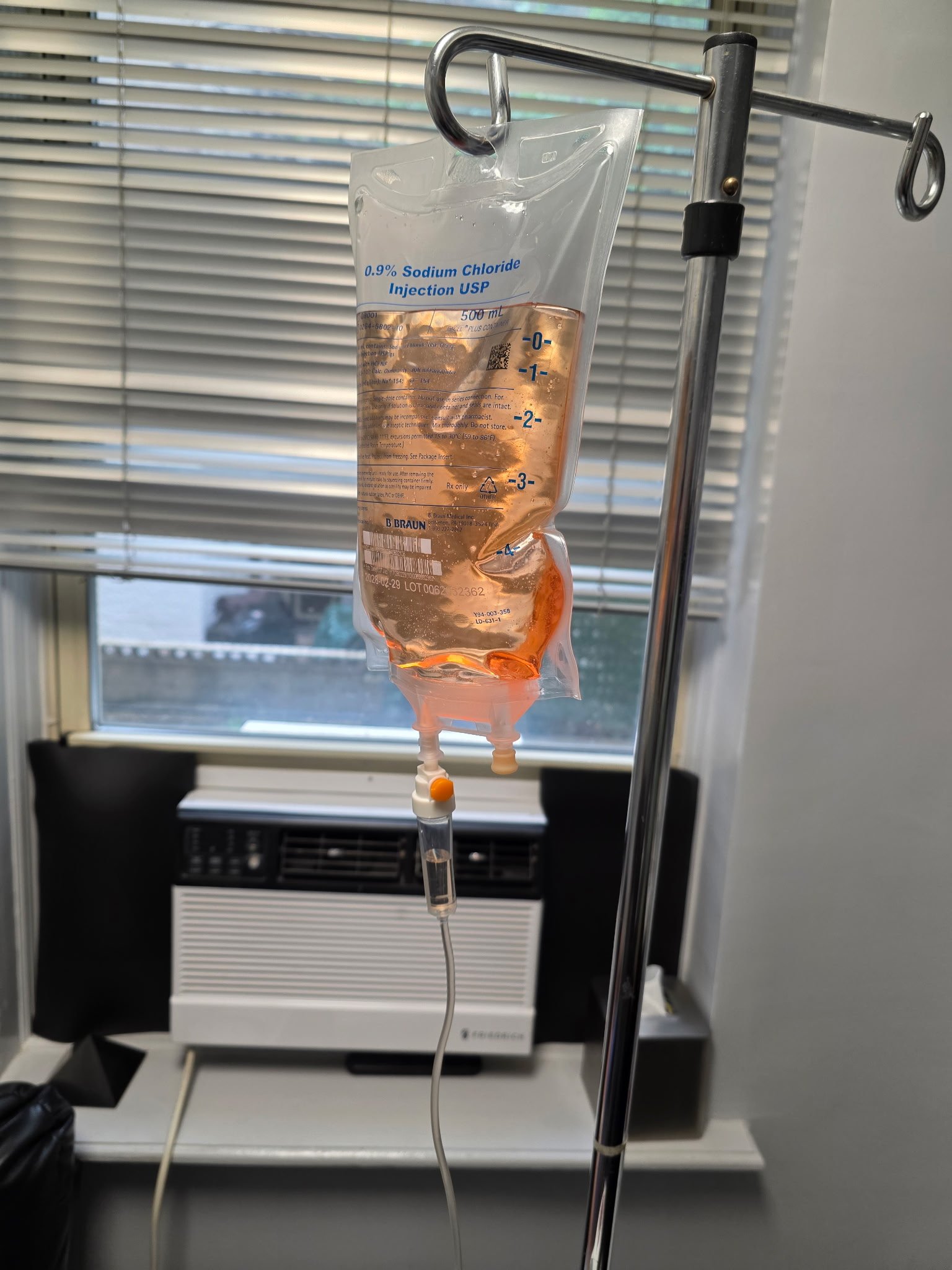
MUSE Cell Therapy Is Often Referred To As Golden Bag IV
How MUSE Cells Respond to Injury – Precision Healing
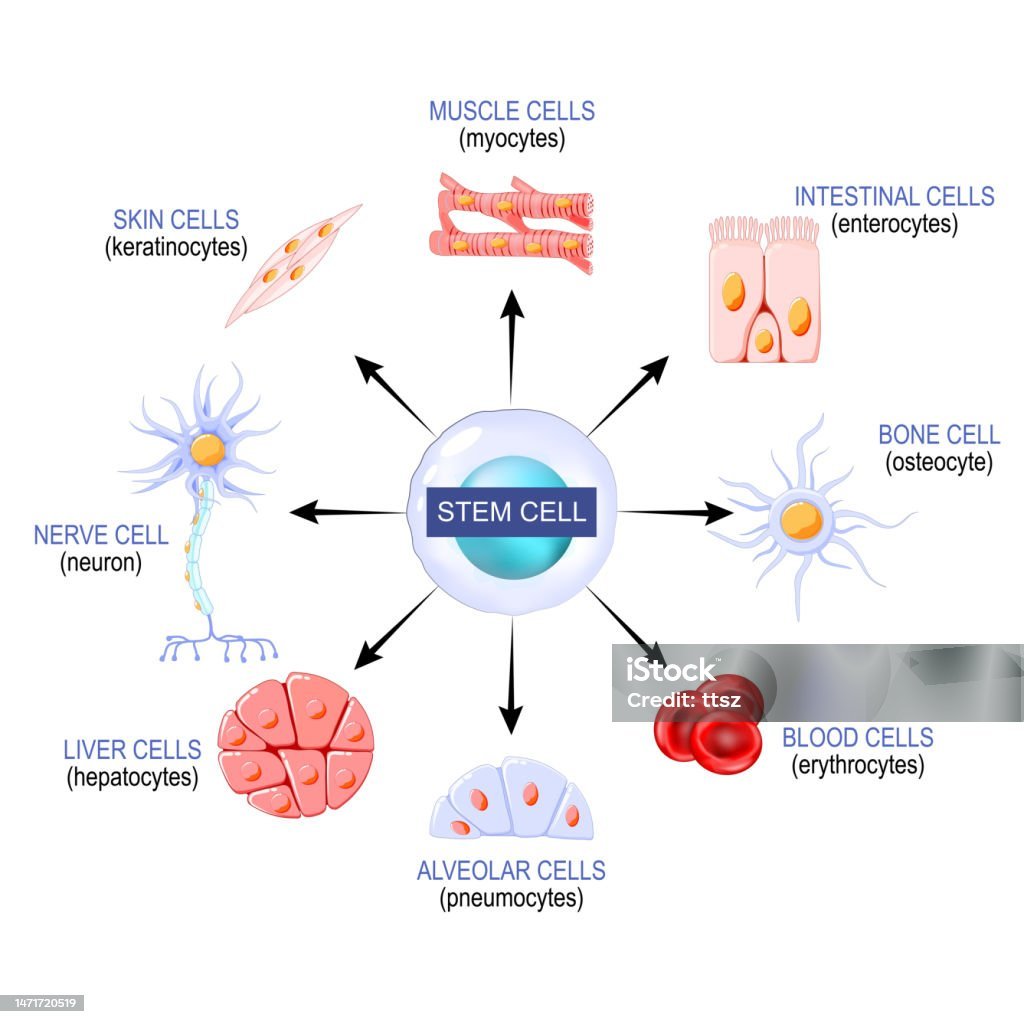
- Homing: Muse cells express S1P receptor 2 (S1PR2) on their surface, allowing them to detect damaged cellular/tissue/organ via the S1P levels in the blood. Once detected they will selectively migrate toward high concentrations of S1P released by injured cells. Regular stems cells do not hear the SIP message and don't respond.
- Restore, Repair & Regenerate: Upon reaching the injury site via this S1P-S1PR2 interaction, which can be described as a lock and key mechanism. This activates the army of MUSE Stem Cells to repair damage tissue into healthy tissue, regenerate organs and restore function
- Distinction: This unique and specific lock and key mechanism with the S1P signal for help & S1PR2 receptor homing is what distinguishes MUSE Stem Cells from other stem cells. Think of it as a precision targeting mechanism for healing, regeneration and wellness.
Benefits / Why Choose Us
Patient Consultation & Complimentary Medical Assessment
Creating Your Personalized Treatment Plan

Our Clinic Conveniently Located in Florida, USA

Information Request Form
Post Treatment & Continuing Care
Frequently Asked Questions
Can MUSE Stem Cells help with Neurological Conditions
Yes, at Muse Cell Procedure in Florida, USA can help neurological conditions by reducing brain and nerve inflammation, promoting neuroprotection, and supporting tissue repair. We treat multiple sclerosis, Parkinson’s, neuropathy, brain injuries, and other neurological disorders. Contact Us using the Contact Page.
What Neurological Conditions Can Be Treated With Stem Cells?
Dezawa MuseCells® at Muse Cell Procedure in Florida, USA treats multiple sclerosis (MS), Parkinson’s disease, Alzheimer’s, brain injury (TBI), stroke recovery, neuropathy, ALS, autism spectrum disorder, and other neurological conditions using Dezawa MuseCells®. Each protocol is customized based on your specific diagnosis and symptoms.
How Do Stem Cells Work for Brain and Nerve Conditions?
Dezawa MuseCells® work by reducing neuroinflammation, protecting nerve cells from further damage, promoting myelin repair (in MS), supporting neurogenesis, and modulating immune responses attacking the nervous system. These mechanisms help improve function and slow disease progression.
Is Stem Cell Therapy FDA Approved for Neurological Disorders
Dezawa MuseCells® therapy is performed at Muse Cell Procedure. It is not FDA-approved in the United States. However, Florida is allowing access to advanced regenerative treatments not yet available domestically.
How Long Do Stem Cell Results Last for Brain and Nerve Conditions?
Results vary by condition and severity. Many neurological patients experience improvements lasting 12-24+ months. Some benefit from annual maintenance treatments at Muse Cell Procedure to sustain neurological function and prevent progression.
Can Stem Cells Cure Autoimmune Disease?
No. Stem cells cannot cure autoimmune disease, but Dezawa MuseCells® at Muse Cell Procedure can significantly reduce disease activity, promote immune rebalancing, decrease inflammation, and potentially allow medication reduction. The goal is better disease control and improved quality of life.
What Autoimmune Conditions Does Muse Cell Procedure Provide?
We treat rheumatoid arthritis, lupus, multiple sclerosis, Crohn’s disease, ulcerative colitis, psoriasis, Sjögren’s syndrome, ankylosing spondylitis, Hashimoto’s thyroiditis, type 1 diabetes, and 20+ other autoimmune conditions using Dezawa MuseCells® therapy.
How Do Stem Cells Work Help Autoimmune Disease?
Dezawa MuseCells® work by promoting regulatory T-cells that control immune responses, reducing inflammatory cytokines, rebalancing immune function (rather than suppressing it), and protecting tissues from ongoing autoimmune attack. This addresses root immune dysregulation.
Frequently Asked Questions
Can MUSE Stem Cells help with Neurological Conditions
Yes, at Muse Cell Procedure in Florida, USA can help neurological conditions by reducing brain and nerve inflammation, promoting neuroprotection, and supporting tissue repair. We treat multiple sclerosis, Parkinson’s, neuropathy, brain injuries, and other neurological disorders. Contact Us using the Contact Page.
What Neurological Conditions Can Be Treated With Stem Cells?
Dezawa MuseCells® at Muse Cell Procedure in Florida, USA treats multiple sclerosis (MS), Parkinson’s disease, Alzheimer’s, brain injury (TBI), stroke recovery, neuropathy, ALS, autism spectrum disorder, and other neurological conditions using Dezawa MuseCells®. Each protocol is customized based on your specific diagnosis and symptoms.
How Do Stem Cells Work for Brain and Nerve Conditions?
Dezawa MuseCells® work by reducing neuroinflammation, protecting nerve cells from further damage, promoting myelin repair (in MS), supporting neurogenesis, and modulating immune responses attacking the nervous system. These mechanisms help improve function and slow disease progression.
Is Stem Cell Therapy FDA Approved for Neurological Disorders
Dezawa MuseCells® therapy is performed at Muse Cell Procedure. It is not FDA-approved in the United States. However, Florida is allowing access to advanced regenerative treatments not yet available domestically.
How Long Do Stem Cell Results Last for Brain and Nerve Conditions?
Results vary by condition and severity. Many neurological patients experience improvements lasting 12-24+ months. Some benefit from annual maintenance treatments at Muse Cell Procedure to sustain neurological function and prevent progression.
Can Stem Cells Cure Autoimmune Disease?
No. Stem cells cannot cure autoimmune disease, but Dezawa MuseCells® at Muse Cell Procedure can significantly reduce disease activity, promote immune rebalancing, decrease inflammation, and potentially allow medication reduction. The goal is better disease control and improved quality of life.
What Autoimmune Conditions Does Muse Cell Procedure Provide?
We treat rheumatoid arthritis, lupus, multiple sclerosis, Crohn’s disease, ulcerative colitis, psoriasis, Sjögren’s syndrome, ankylosing spondylitis, Hashimoto’s thyroiditis, type 1 diabetes, and 20+ other autoimmune conditions using Dezawa MuseCells® therapy.
How Do Stem Cells Work Help Autoimmune Disease?
Dezawa MuseCells® work by promoting regulatory T-cells that control immune responses, reducing inflammatory cytokines, rebalancing immune function (rather than suppressing it), and protecting tissues from ongoing autoimmune attack. This addresses root immune dysregulation.